
The greatest bane of our time is distraction. We live in a culture of perpetual distraction, where the modern economy is built on companies vying for every ounce of our attention. All advertising is built on the getting our maximum attention, as soon as possible and retaining it for as long as possible.
The cost of living this way is profound: we lose sight of who we are. How does this happen?
Awareness precedes self-knowledge. Awareness implies a knowledge of one’s thoughts and feelings, especially the innermost ones, which we do not usually recognize in our busier moments. Have you noticed how difficult feelings begin to rise when we are alone – in bed at night, waiting at a bus stop, or in a moment of pause? And how we instinctively reach out to our phones, to avoid feeling what is desperately yearning for a voice?
Yet, nature wants these feelings to arise and be recognized. When ignored, these feelings leak out unexpectedly – when watching a movie, in the company of friends, or in response to a painful comment. Our obstinate refusal to acknowledge dark and painful emotions eventually catches up with us and when it does, it breaks us.
Thus, our first task is to learn to grow comfortable with our inner lives. This is the beginning of reclaiming our lives from distraction. Once we become attuned to our emotional reality, we can begin asking: what truly matters to me in the time I have left?
When asked this question, many respond with a ‘bucket list‘ – a catalogue of places to see, things to acquire and experiences to have. These lists often reflect consumption, not character. Rarely, do we hear someone say, “I want to become less angry”, or “I want to grow more forgiving”. Even rarer are desires to develop and sustain a serious skill with devotion – not a week-long pottery class retreat, but a commitment like “read and reflect on Shakespeare’s plays” or “learn the piano diligently”.
To identify what matters, we must ask, “Who do I want to be? What do I long to express” and not “What more can I consume”?. The distinction is subtle. For instance, one might say “I want to be a CEO”. This is inherently neither good nor bad. The question is: why do you want to be a CEO? For power, status and glory? Or because you genuinely believe in responsible leadership? Motivation is everything.
Subject your motivations to such scrutiny. Don’t merely jump onto what you may feel to be your passion. Ask why – a hundred times. As we shed external validation, we begin to stand on the firm ground of our own values
This process of awareness, scrutiny and clarity – reduces distraction and reveals purpose. Then comes the need to act. If learning the piano is indeed something that is authentic to you, find a teacher and commit to a discipline. Such discipline is likely to work, because we have worked on our inner being. We have built a foundation of awareness and put our feelings to scrutiny through reason. Then we gain the clarity and the energy to embark on a rigorous apprenticeship.
Aristotle understood this when he said,
“Excellence… comes about as a result of habit… We become just by doing just acts, temperate by doing temperate acts, brave by doing brave acts.”
Aristotle, Nicomachean Ethics
Will Durant, rephrased this beautifully: “We are what we repeatedly do. Excellence, then, is not an act, but a habit”. Such action is born from a deep understanding of who we are and what we ought to be doing. The ancient Indian’s concept of ‘Dharma‘, – reasoned, inwardly coherent action aligned with the universal order – reflects this.
This repeated act, informed by our sensibilities and reason, with full awareness is the basis for focus. Before we begin our tasks – be it learning that piece on the piano, or cooking our dinner, or taking a bath – we remind ourselves of why we are doing this. We remind ourselves of our values and why this action is aligned to our Dharma. This in fact, is the central message of the Gita, which is expressed beautifully in Chapter 3.
“It is far better to perform one’s natural prescribed duty, though tinged with faults, than to perform another’s prescribed duty, though perfectly. In fact, it is preferable to die in the discharge of one’s duty, than to follow the path of another, which is fraught with danger.“
Gita. Chapter 3: 35. Translation from https://bit.ly/49QVXyA
Pause and let that sink in. What if your life’s work – however incomplete – is more meaningful that someone else’s perfected path? What if authenticity matters more than social success?
Focus results from alignment. We align ourselves with our nature and then bring discipline into our actions. However, we do not act to get anywhere, to achieve accolades, to gain respect, acceptance, or even love. We act because we find acting to be beautiful. It is an expression of our inner selves. A flower does not bloom with the idea that it must be pollinated. Pollination happens. But the flower isn’t desperately trying to show itself off to attract the bee. This is why Lao Tzu in the Tao De Ching said “Nature does not hurry yet everything is accomplished”. And Krishna again in the Gita reminds us,
You have a right to perform your prescribed duties, but you are not entitled to the fruits of your actions. Never consider yourself to be the cause of the results of your activities, nor be attached to inaction.
Gita. Chapter 2:47. Translation from : https://bit.ly/3BHsyKw
This isn’t antiquated idealism. Contemporary thinkers echo this sentiment. Thomas Sterner, who in The Practicing Mind says,
“When we subtly shift toward both focusing on and finding joy in the process of achieving instead of having the goal, we have gained a new skill. And once mastered, it is magical and incredibly empowering.”
Thomas Sterner. A Practicing Mind.
This shifting of perspective, from doing things as a means to an end to an end in itself is critical to achieving focus. We cannot focus when we are busy thinking on how our piano piece will be received by an audience. After all, “A watched kettle never boils”. To be able to achieve focus, we must learn to let go of acting for an external reward. We must act for action alone, because that in itself is rewarding.
Focus, is a prerequisite for the magical state of flow. Mihaly Csikszentmihalyi defines it as: “Flow is a state in which people are so involved in an activity that nothing else seems to matter.”. Such experiences are called autotelic because they are an end to themselves. He writes:
“An autotelic experience is very different from the feelings we typically have in the course of life. So much of what we ordinarily do has no value in itself, and we do it only because we have to do it, or because we expect some future benefit from it. Many people feel that the time they spend at work is essentially wasted—they are alienated from it, and the psychic energy invested in the job does nothing to strengthen their self. For quite a few people free time is also wasted. Leisure provides a relaxing respite from work, but it generally consists of passively absorbing information, without using any skills or exploring new opportunities for action. As a result life passes in a sequence of boring and anxious experiences over which a person has little control. The autotelic experience, or flow, lifts the course of life to a different level. Alienation gives way to involvement, enjoyment replaces boredom, helplessness turns into a feeling of control, and psychic energy works to reinforce the sense of self, instead of being lost in the service of external goals. When experience is intrinsically rewarding, life is justified in the present, instead of being held hostage to a hypothetical future gain.”
Mihaly Csikszentmihalyi, Flow: The Psychology of Optimal Experience
Flow expands the self. We forget ourselves and merge with the act. While this may happen in peak moments—like a musician lost in improvisation or a dancer carried by rhythm—it can also arise in moments of quiet mundanity: rinsing fruit, arranging a shelf, folding laundry. These are not lesser moments. They are simply less noticed. But the mind, when fully present, makes no distinction. cleaning a kitchen, sipping tea, walking slowly. Wordsworth knew this:
“I wandered lonely as a cloud
That floats on high o’er vales and hills,
When all at once I saw a crowd,
A host, of golden daffodils”
And this is the crucial part of the poem,
“A poet could not be but gay,
In such a jocund company:
I gazed – and gazed – but little thought,
What wealth that show to me had brought:“
No thought – only pure experiencing.
The Yoga tradition goes into the mechanics of this and calls it Kriya Yoga. This is a three step process of Dharana (concentration), Dhyana (meditative absorption) and Samadhi (merging with the object) (see Patanjali’s Yoga Sutras).
But one needn’t be a Yogi to get into flow. One can simply – minimize distractions, face uncomfortable feelings, understand who you are and what you must do in this life, begin acting on it, act with discipline and focus. From this flow arises effortlessly. And from flow, comes contentment – not excitement, but completeness (as I’ve written earlier). This is also a source of true meaning in life. We cease striving. Our lives become an expression of meaning, joy and love and not an endless elevator of desires.
To live with focus is not to strive, but to return—to ourselves, our purpose, and the present moment.
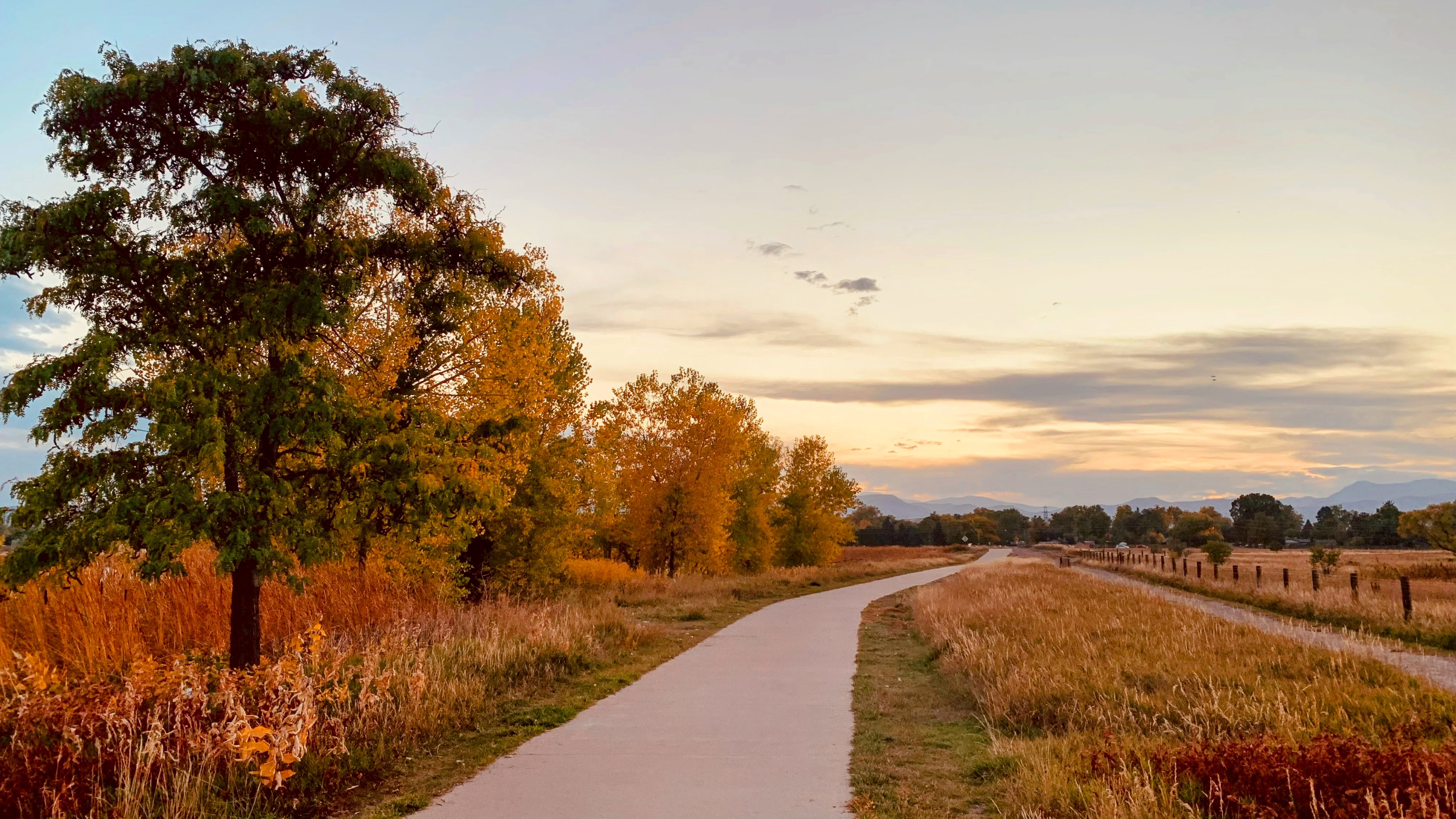

 Journey of a thousand words